India represents one of the fastest-growing civil aviation markets globally. Driven by a rapidly expanding middle class, robust economic growth, and massive investments in airport infrastructure through initiatives like the UDAN (Ude Desh ka Aam Nagrik) regional connectivity scheme, air travel has transformed from a luxury into an essential mode of transport across the subcontinent
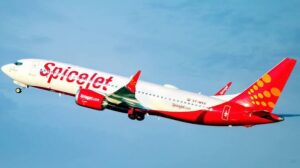
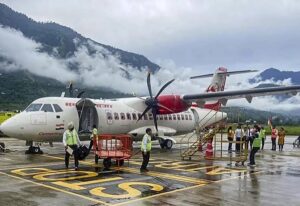
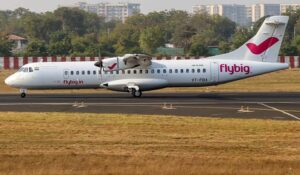
The Indian domestic and international market is served by a blend of Full-Service Carriers (FSC) and Low-Cost Carriers (LCC). Understanding the operational strengths, fleet configurations, punctuality metrics, in-flight experiences, and loyalty ecosystems of these airlines is essential for travelers, industry analysts, and business professionals alike. This comprehensive, original guide evaluates India’s best airlines, offering an objective analysis of their services, market positioning, and operational benchmarks.
Section 1: Overview of the Indian Aviation Landscape
1.1 Market Structure and Segmentation
The commercial aviation market in India operates under two primary business models:
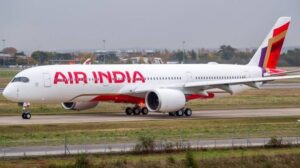
- Full-Service Carriers (FSC): These airlines bundle services into the ticket price, offering complimentary meals, multi-class cabin configurations (Business, Premium Economy, Economy), lounge access, and integrated frequent flyer programs. Following recent consolidation, Air India (including the integrated operations of Vistara) stands as the primary domestic and international FSC based in India.
- Low-Cost Carriers (LCC): Operating on point-to-point networks with unbundled pricing, LCCs focus on operational efficiency, high aircraft utilization, and dense single-class seating. Passengers pay a base fare and choose add-ons like meals, seat selection, and extra baggage. IndiGo, Akasa Air, Air India Express, and SpiceJet dominate this segment.
                    ┌──────────────────────────────────────────────┐
                    │       Indian Commercial Aviation Spectrum    │
                    └──────────────────────┬───────────────────────┘
                                           │
             ┌─────────────────────────────┴─────────────────────────────┐
             ▼                                                           ▼
┌─────────────────────────┐                                 ┌─────────────────────────┐
│  Full-Service Carriers  │                                 │   Low-Cost Carriers     │
│         (FSC)           │                                 │         (LCC)           │
├─────────────────────────┤                                 ├─────────────────────────┤
│ • Air India             │                                 │ • IndiGo                │
│ • Air India (ex-Vistara)│                                 │ • Akasa Air             │
│                         │                                 │ • Air India Express     │
│                         │                                 │ • SpiceJet              │
└─────────────────────────┘                                 └─────────────────────────┘
1.2 Key Industry Performance Metrics
Evaluating an airline requires examining key performance indicators (KPIs) set by regulatory bodies such as the Directorate General of Civil Aviation (DGCA):
- On-Time Performance (OTP): Measured across major metro airports (Delhi, Mumbai, Bengaluru, Hyderabad, Chennai, Kolkata).
- Passenger Load Factor (PLF): Indicates the percentage of available seating capacity filled by passengers.
- Baggage Handling and Reliability: Rate of lost, delayed, or damaged luggage per 10,000 passengers.
- Customer Complaint Rates: Number of formal grievances registered per 10,000 passengers handled.
Section 2: Detailed Profiles of India’s Top Airlines
2.1 Air India (Including Vistara Integration)
Overview & History
Founded originally by J.R.D. Tata in 1932 as Tata Airlines, Air India served as the nation’s flag carrier for decades under state ownership before returning to the Tata Group. Following a strategic transformation program (“Vihaan.AI”) and the operational consolidation of Vistara into Air India, the airline has positioned itself as a world-class global carrier with deep Indian heritage.
                                  ┌───────────────────────────┐
                                  │   Air India Transformation│
                                  └─────────────┬─────────────┘
                                                │
                 ┌──────────────────────────────┴──────────────────────────────┐
                 ▼                                                             ▼
┌─────────────────────────────────┐                           ┌─────────────────────────────────┐
│       Domestic Supremacy        │                           │     Global Route Expansion      │
├─────────────────────────────────┤                           ├─────────────────────────────────┤
│ • Multi-class cabins            │                           │ • Non-stop Ultra-Long-Haul      │
│ • Vistara service standards     │                           │ • Modern wide-body fleets       │
│ • Integrated Maharaja Club      │                           │ • Star Alliance network access  │
└─────────────────────────────────┘                           └─────────────────────────────────┘
Fleet & Cabin Architecture
Air India operates a dual fleet of narrow-body and wide-body aircraft:
- Narrow-Body Fleet: Airbus A320neo and A321neo aircraft operating on high-density domestic routes and regional international sectors.
- Wide-Body Fleet: Airbus A350-900, Boeing 777-200LR/300ER, and Boeing 787-8/9 Dreamliners for long-haul and ultra-long-haul international flights (e.g., North America, Europe, Australia).
In-Flight Service & Amenities
- Full-Service Catering: Complimentary hot meals, snacks, and beverages (alcoholic and non-alcoholic options on international sectors) tailored to regional palates.
- Cabin Classes: First Class, Business Class, Premium Economy, and Economy Class. The introduction of Premium Economy offers extra legroom, wider seats, and enhanced dining.
- In-Flight Entertainment (IFE): AVOD (Audio Video on Demand) touchscreens with multi-language movies, TV shows, and music onboard retrofitted wide-body aircraft.
Frequent Flyer Program
Air India’s consolidated loyalty program, Maharaja Club (incorporating Club Vistara elements), allows passengers to earn and redeem points across Air India and partner airlines within the Star Alliance network, offering tier benefits like priority check-in, lounge access, and extra baggage allowances.
2.2 IndiGo (InterGlobe Aviation)
Overview & Market Dominance
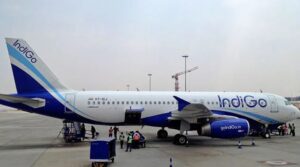
IndiGo is the undisputed market leader in Indian domestic aviation, holding over 60% of domestic market share. Established in 2006, IndiGo built its operational success on three core promises: low fares, on-time flights, and a hassle-free passenger experience.
┌─────────────────────────────────────────────────────────────────────────────────┐
│                             IndiGo Core Operating Pillars                       │
├───────────────────────────────┬─────────────────────────┬───────────────────────┤
│        On-Time Precision      │     Massive Fleet Scale │   Point-to-Point Mesh │
│ High daily turnaround metrics │ Unified A320/A321 fleet │ Connecting Tier 1-3   │
└───────────────────────────────┴─────────────────────────┴───────────────────────┘
Operational Efficiency & Fleet
IndiGo maintains one of the youngest and most efficient fleets globally:
- Airbus A320neo & A321neo: Forming the backbone of the domestic and short-haul international network, offering reduced fuel burn and lower carbon emissions.
- ATR 72-600: Turboprop fleet dedicated to operating under the UDAN scheme, linking secondary and tertiary cities to main hubs.
- Airbus A350-900 (On Order): Marking IndiGo’s expansion into long-haul international travel.
Passenger Experience Model
- Unbundled Fare Structure: Passengers purchase basic seating and customize their journey with add-on options (6E Eats for pre-booked meals, 6E Prime for seat selection and fast-forward check-in).
- Digital Transformation: Mobile-first strategy with automated check-in kiosks, WhatsApp booking assistance, and digital baggage tags.
- Stretch Cabin Concept: Introduction of tailor-made business class products on busy domestic trunk routes (e.g., Delhi-Mumbai) to cater to corporate travelers.
2.3 Akasa Air (SNV Aviation)
Overview & Growth Trajectory
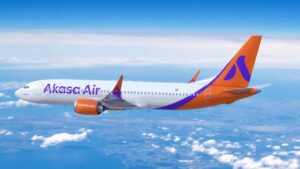
Akasa Air entered the Indian aviation market in August 2022 as a tech-led, environmentally conscious low-cost airline. Backed by a clear operational vision, Akasa quickly established itself as a reliable carrier across major Indian urban centers and expanding regional hubs.
Fleet & Sustainability Focus
- Boeing 737 MAX Fleet: Akasa operates an all-Boeing 737 MAX fleet (737-8 and 737-8-200 variants). These aircraft feature CFM International LEAP-1B engines and advanced technology winglets, delivering double-digit improvements in fuel efficiency and quieter cabin environments.
- Ergonomic Interiors: Custom-designed seats with memory foam padding, USB charging ports at every seat, and spacious overhead bins.
Differentiating Features
- Café Akasa: An extensive in-flight dining menu featuring gourmet meals, festive special dishes, and eco-friendly packaging.
- Pet-Friendly Travel (Pets on Akasa): Allows domesticated dogs and cats to travel in the cabin or cargo hold depending on weight, setting a high standard for pet travel policies in India.
- Empathetic Customer Service: Strong emphasis on warm, inclusive frontline crew training and modern visual brand identities.
2.4 Air India Express
Overview & Regional Focus
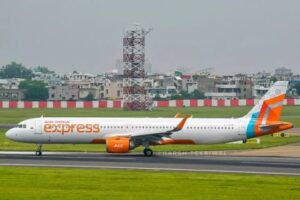
Air India Express operates as the low-cost subsidiary of Air India, focusing heavily on short-to-medium haul international connectivity—particularly between Tier-2/Tier-3 Indian cities and the Middle East (GCC region)—as well as expanded domestic routes following its integration with AIX Connect (formerly AirAsia India).
Service Profile
- Value-Oriented Full-Service Elements: Offers affordable pricing alongside complimentary hot meals on international routes.
- Fleet Modernization: Transitioning to a modernized fleet composed of Airbus A320 family aircraft and Boeing 737 MAX planes to streamline maintenance and operating costs.
- Cultural Connectivity: Services tuned to non-resident Indian (NRI) workers, family leisure travelers, and pilgrimage groups with generous baggage policies.
2.5 SpiceJet
Overview & Market Niche
SpiceJet has historically served as a pioneer in domestic budget travel, introducing dynamic pricing models and innovative ancillary services to the Indian market.
Operations & Specialization
- Fleet Mix: Operates Boeing 737 variants alongside De Havilland Canada Q400 turboprops.
- Regional Reach: The Q400 fleet provides critical connections to hot-and-high airfields and short runways across India (e.g., Shimla, Dharamshala, Leh).
- SpiceMax Services: Premium seat upgrades offering extended legroom, priority baggage handling, and complimentary meals within a low-cost framework.
Section 3: Comparative Analysis Matrix
To help travelers evaluate options objectively, the following structured matrix details key features across India’s top airlines:
| Feature / Metric | Air India | IndiGo | Akasa Air | Air India Express | SpiceJet |
| Airline Type | Full-Service (FSC) | Low-Cost (LCC) | Low-Cost (LCC) | Low-Cost (LCC) | Low-Cost (LCC) |
| Primary Hubs | Delhi, Mumbai | Delhi, Bengaluru, Mumbai | Mumbai, Bengaluru | Kochi, Kozhikode, Delhi | Delhi, Mumbai |
| Cabin Classes | First, Business, Prem. Econ, Economy | Economy, Business (select routes) | Single Economy | Single Economy | Single Economy (SpiceMax available) |
| Complimentary Meal | Yes (All Flights) | No (Buy/Pre-book) | No (Buy/Pre-book) | Yes (Int’l) / Pre-book (Dom) | No (Buy/Pre-book) |
| In-Seat Power/USB | Yes (Wide-body & select A320s) | Select Aircraft | Yes (All 737 MAX) | Select Aircraft | Limited |
| Loyalty Program | Maharaja Club / Star Alliance | 6E Rewards | Akasa Rewards (In Development) | Maharaja Club Interoperable | SpiceClub |
| Pet Travel Policy | In Cabin & Cargo | Cargo Only (Service Animals in Cabin) | In Cabin & Cargo | Service Animals Only | Cargo Only (Select Routes) |
| Baggage (Economy Base) | 15 kg – 25 kg (Domestic) | 15 kg (Domestic) | 15 kg (Domestic) | 15 kg (Domestic) | 15 kg (Domestic) |
Section 4: Passenger Decision Framework: Choosing the Right Airline
Selecting the optimal airline in India depends on individual travel priorities, budgets, and itineraries.
                             ┌───────────────────────────┐
                             │ Travel Decision Framework │
                             └─────────────┬─────────────┘
                                           │
         ┌─────────────────────────────────┼─────────────────────────────────┐
         ▼                                 ▼                                 ▼
┌─────────────────┐               ┌─────────────────┐               ┌─────────────────┐
│ Corporate /     │               │ Budget /        │               │ Regional /      │
│ Long-Haul       │               │ Time-Sensitive  │               │ Remote Routes   │
├─────────────────┤               ├─────────────────┤               ├─────────────────┤
│ • Air India     │               │ • IndiGo        │               │ • IndiGo (ATR)  │
│ • Maharaja Club │               │ • Akasa Air     │               │ • SpiceJet (Q400│
└─────────────────┘               └─────────────────┘               └─────────────────┘
Scenario 1: The Business & Corporate Traveler
- Top Recommendation: Air India or IndiGo (Stretch/6E Prime)
- Why: Business travelers value flight frequency, lounge access, fast-track security, and comfortable seating for working on the go. Air India offers dedicated Business and Premium Economy cabins with wide-body connections on major trunk routes, while IndiGo provides unmatched frequency between commercial hubs.
Scenario 2: The Budget-Conscious Leisure Traveler
- Top Recommendation: IndiGo or Akasa Air
- Why: For cost-conscious family vacations or solo weekend trips, securing the lowest base fare is paramount. Both carriers offer competitive pricing; Akasa Air adds value through modern cabin amenities, while IndiGo provides maximum schedule flexibility.
Scenario 3: International & Long-Haul Trips
- Top Recommendation: Air India
- Why: As the primary long-haul carrier operating out of India, Air India provides direct, non-stop access to major global hubs in North America, Europe, and Asia-Pacific. Direct flights eliminate transit hassles in intermediate hubs, saving time and energy.
Scenario 4: Traveling with Pets or Special Care Requirements
- Top Recommendation: Akasa Air or Air India
- Why: Both carriers offer transparent, pet-friendly cabin policies, making air travel straightforward for pet owners compared to traditional cargo-only rules.
Section 5: The Passenger Journey Experience
5.1 Booking & Mobile Ecosystems
Indian airlines have invested heavily in digital solutions to simplify booking:
- IndiGo’s Mobile App: Features real-time gate notifications, automated bag-tag printing, and rapid booking management.
- Air India’s Digital Overhaul: Redesigned web interface and mobile app featuring AI-driven customer assistants (Maharaja AI) for real-time flight tracking and booking modifications.
5.2 Ground Handling and Airport Infrastructure
Modern air travel in India centers on upgraded metro airports such as Indira Gandhi International Airport (Delhi), Chhatrapati Shivaji Maharaj International Airport (Mumbai), and Kempegowda International Airport (Bengaluru).
- DigiYatra Integration: A facial-recognition-based processing platform implemented across major Indian airports. Passengers using DigiYatra enjoy fast-track entry at airport gates, security checkpoints, and boarding gates without showing physical boarding passes repeatedly.
- Lounge Networks: Full-service passengers and premium credit card holders gain access to Encalm, TFS, and dedicated airline lounges offering buffet dining, quiet workspaces, and shower facilities.
┌──────────────────────────────────────────────────────────────────────────────────┐
│                             The Modern Airport Journey                           │
├──────────────────┬───────────────────┬───────────────────┬───────────────────────┤
│   DigiYatra      │  Self Bag-Drop    │  Premium Lounge   │  Biometric Boarding   │
│ Biometric Entry  │ Automated Kiosks  │ Dining & Working  │ Seamless Gate Access  │
└──────────────────┴───────────────────┴───────────────────┴───────────────────────┘
5.3 Onboard Dining & In-Flight Service
Culinary options onboard Indian carriers reflect the country’s rich dining heritage:
- Air India: Serves regional menus featuring traditional North Indian, South Indian, and international cuisines, along with dietary-specific meals (Jain, Vegan, Gluten-Free) pre-bookable in advance.
- Buy-on-Board Menus (Akasa & IndiGo): Pre-ordered culinary options (Café Akasa and 6E Eats) feature fresh sandwiches, regional thalis, hot biryanis, and artisanal beverages, replacing traditional packaged snacks.
Section 6: Future Trends Shaping Indian Aviation
6.1 Historic Aircraft Orders & Fleet Expansions
Indian carriers hold some of the largest aircraft order books in civil aviation history. Hundreds of new aircraft—including Airbus A320neo family, Airbus A350s, Boeing 737 MAXs, and Boeing 787s—are scheduled for delivery over the coming decade. This delivery pipeline will lower average fleet ages, improve fuel efficiency, and expand non-stop international routes.
6.2 Airport Expansion and Airport City (Aerotropolis) Hubs
The opening of greenfield facilities—such as Noida International Airport (Jewar) in the NCR region and Navi Mumbai International Airport—will relieve congestion at existing metro hubs. These dual-airport systems will allow airlines to create distinct secondary hubs, expanding point-to-point networks nationwide.
6.3 Environmental Sustainability and SAF Initiatives
Indian airlines are committing to net-zero carbon roadmaps:
- Sustainable Aviation Fuel (SAF): Major carriers are partnering with national oil refineries to blend SAF into regular jet fuel supplies.
- Single-Use Plastics Reduction: Both full-service and budget carriers are replacing single-use plastic cutlery, cups, and meal trays with biodegradable wooden and paper alternatives.
Conclusion
The Indian aviation industry offers diverse, reliable, and high-quality options for every type of traveler.
- Air India stands out for travelers seeking comprehensive full-service care, multi-class luxury, international long-haul reach, and global alliance perks.
- IndiGo remains the benchmark for operational efficiency, punctuality, and domestic network depth.
- Akasa Air delivers a fresh, technology-driven low-cost alternative with modern fleet comfort and customer-centric policies.
- Air India Express and SpiceJet fulfill vital regional and budget-focused travel niches across key corridors.
By matching your travel priorities—whether time precision, ticket cost, baggage allowances, or cabin luxury—with the right carrier, you can ensure a comfortable, efficient journey across India’s skies.